Ply Gem Total Designed Exterior, Build Smart, Home Improvements & Remodeling, Homeowner How-To & DIY
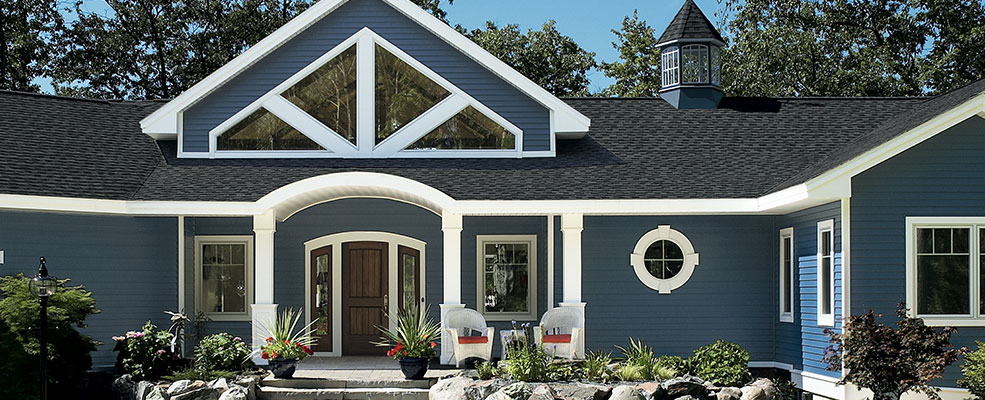
Today’s siding solutions have evolved far beyond basic cladding. Through advanced manufacturing processes and material innovation, modern vinyl siding has been engineered to deliver exceptional durability, long-lasting color retention, energy efficiency, and remarkably realistic woodgrain textures.
Homeowners and builders alike now expect siding that can withstand extreme weather, resist fading from UV exposure, and maintain curb appeal for decades — all while staying within budget. If you’re shopping for siding, understanding the latest advancements in vinyl technology can help you make a more confident, informed decision.
Here’s what to look for when evaluating 2026 high-performance siding options.
Vinyl siding is made up of individual interlocking panels that attach securely to your home’s exterior, creating a clean, uniform appearance. While many assume thicker panels automatically mean stronger siding, true durability comes from something more sophisticated: how the panel is engineered.
In the siding industry, this is known as engineered geometry; the intentional design of panel shape, profile, and structural reinforcement to maximize strength and stability.
This design-forward approach allows vinyl siding to remain durable in high winds, extreme heat, and freezing conditions without relying solely on material thickness.
When comparing siding options, look beyond gauge measurements and ask how the product is engineered to perform. Panel design plays a critical role in long-term performance, installation efficiency, and overall exterior protection.
A nail hem locks one siding panel to another and allows the panel to be nailed into place. The purpose of the nail hem is to provide additional wind load and tear off resistance to each panel. There are a few different types of nail hems available:
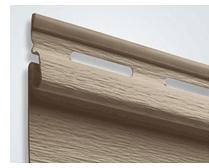

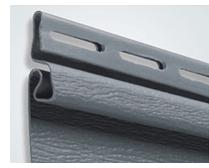
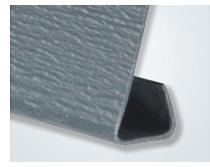
Upper and lower locks are designed to create stronger interlocks between panels. Locks work in tandem with the nail hems. But first, let’s talk about projection. Projection is simply how far a panel projects from the wall. The taller, or “bigger,” the projection the better because it provides more area to interlock the panels together. A bigger projection also creates more shadow line, which makes it more attractive on the home.
There are a few types of upper and lower locks available:

When you research siding you’ll find a lot of information about wind resistance. Most siding panels meet Polymeric Exterior Products Association (PEPA) guidelines and are rated to withstand various high wind pressures. How much wind pressure your home will be subjected to depends upon variables like the area of the country in which you live, the topography around you and how tall your home is.
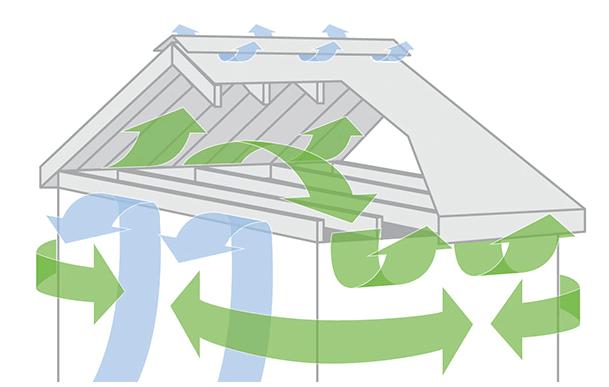
Wind creates negative wind pressure as it roars around your house, creating vacuums that can creep behind your siding panels and tear them off. The secret to resisting tear off is to give the panels something to hang on to. The nail hems and upper and lowers locks work together to do just that.
Re-siding your home is a significant investment, and choosing the right material ensures long-term performance and lasting beauty. Modern vinyl siding from the Ply Gem portfolio is engineered to withstand a wide range of climates, from scorching heat and freezing winters to heavy rain and intense sun.
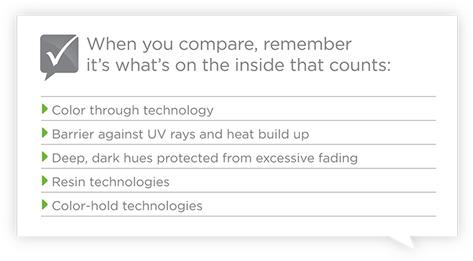
Advanced manufacturing and UV-resistant color technologies help siding panels maintain their shape, resist warping, and retain vibrant color over time. This means homeowners can enjoy the look of freshly installed siding without worrying about fading, cracking, or deterioration caused by the elements.
Premium vinyl siding lines, such as Mastic®, are designed with advanced panel engineering to enhance durability and long-term performance. With the right siding, you’re investing in durability, performance, and long-term peace of mind.
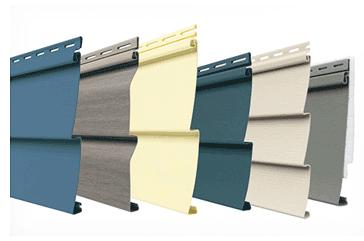

Homeowners and builders today are choosing exterior color schemes that feel modern, warm, and timeless.
In larger neighborhoods and new developments, builders are increasingly selecting coordinated siding, stone veneer, and trim combinations to create visual interest while maintaining architectural harmony.
Coordinated color systems across the Ply Gem portfolio make it easier for homeowners and developers to confidently combine siding, trim and mouldings, soffit, and accessories.
When comparing siding options, homeowners and builders often evaluate vinyl, fiber cement, and engineered wood based on factors like maintenance, installation, and long-term performance.
Fiber Cement & Engineered Wood
Builder-focused options like Variform siding are also designed for efficient installation and consistent performance across projects.

Choosing the right siding for your home doesn’t have to be overwhelming. With today’s advanced vinyl siding options from the Ply Gem portfolio, you can find solutions that are not only durable and low-maintenance but also beautiful, energy-efficient, and designed to stand up to your local climate.
Browse our full collection of exterior inspiration and discover how the Ply Gem Brands and Solutions portfolio can help bring your exterior vision to life.
Which siding holds up best in extreme weather?
Vinyl siding engineered for UV resistance and thermal stability performs well in both hot and cold climates. Insulated vinyl siding offers additional protection against temperature swings.
Is vinyl siding cheaper than fiber cement?
In most cases, vinyl siding has a lower upfront material and installation cost compared to fiber cement products.
How do I choose between Ply Gem and competing brands?
If budget, low maintenance, and installation speed are priorities, vinyl siding from Ply Gem may be the stronger option.
What siding colors fade the least?
Lighter neutrals and siding products with advanced UV-resistant coatings tend to retain color longer in high-sun environments.
Which siding accessories can reduce installation time?
Standardizing components and accessories like starter strips, J-channels, corner posts, and mounting blocks can reduce material waste and speed installation.
Where can I get help installing Ply Gem siding?
Contractors should reference official installation guides and contact their local distributor or Ply Gem customer support for technical assistance. Homeowners should work with a professional siding contractor experienced in installing products from the Ply Gem portfolio to ensure proper performance and warranty protection.
Whether you’re a homeowner looking for a professional to help with installation or a pro interested in purchasing Ply Gem brands and product lines, we’ve got you covered.