Windows, Windows and Doors, Build Smart, Home Improvements & Remodeling
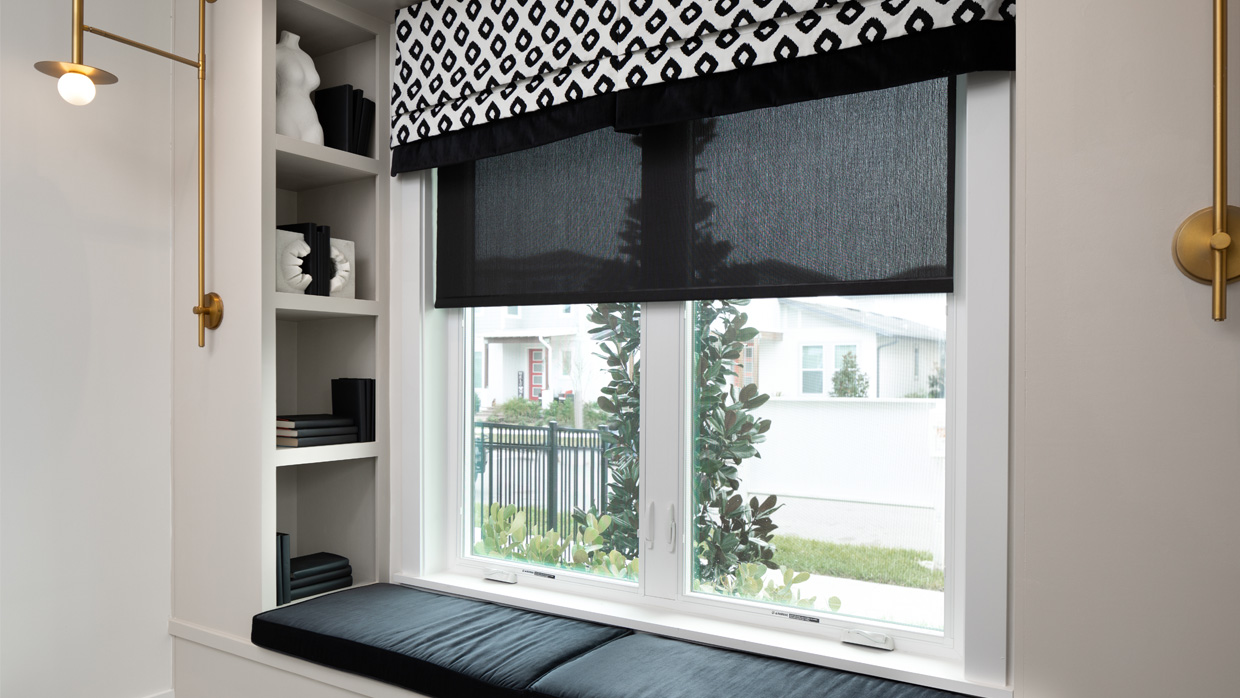
What does Egress mean? The actual meaning is the act of leaving a place, or the physical path used to exit, and is an important safety aspect in new builds and renovation projects. Proper egress is crucial for code compliance and homeowner safety. Understanding the code requirements allows you to plan and properly install the appropriate window style and size to provide vital escape routes for homeowners in an emergency.
Egress windows make homes safer by providing an emergency escape route, especially in bedrooms, basements and attics, where an egress window may be the only safe way out if the stairs are compromised.
According to the International Code Council (ICC), which publishes the International Residential Code (IRC) and International Building Code (IBC), the following requirements should be followed when choosing an egress window:
For a window to qualify as an egress window, it must meet all minimum requirements for width, height and clear opening area. It is not enough to satisfy just one or two of these requirements. For example, a window opening that measures 24 in. high by 20 in. wide still does not qualify as egress because it does not provide the minimum of 5.7 sq. ft. To meet code, the window must be taller, wider or both, so that the net clear opening is the appropriate size.
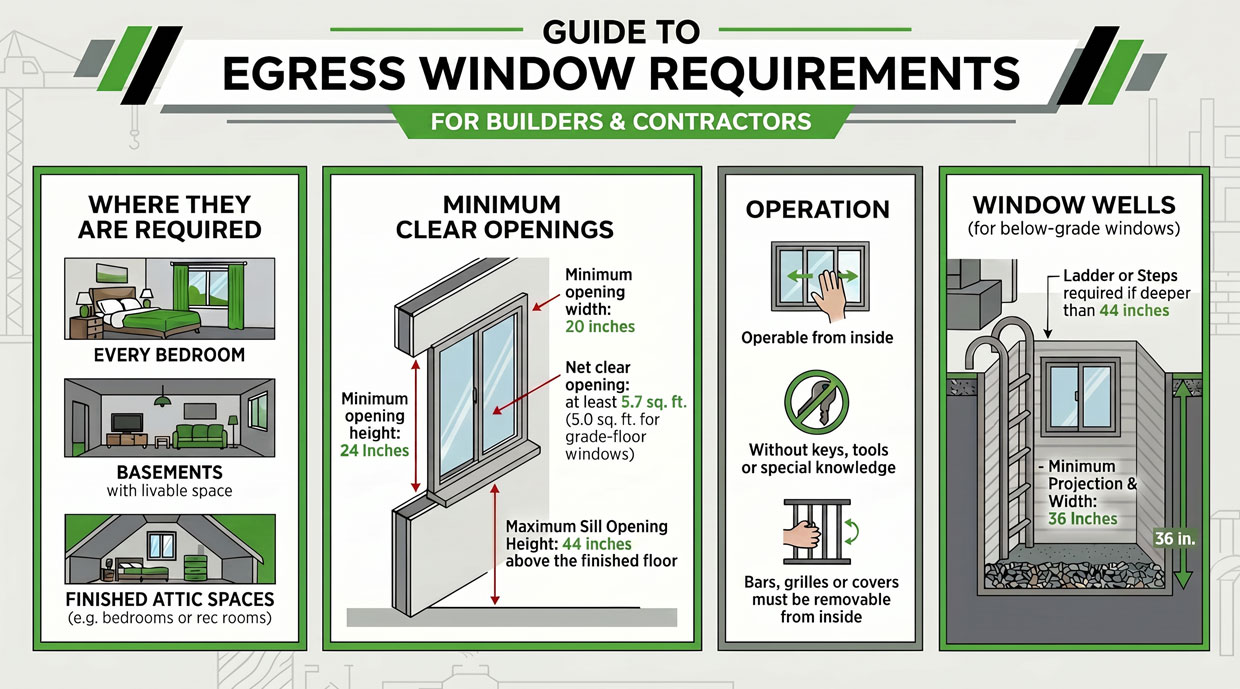
Most building codes, like the ICC and local regulations, require minimum egress standards for windows. Egress codes may vary by region; check with your local code official to confirm the requirements in your area.
When selecting an egress window, ensure it meets the required size specifications to provide the minimum clear opening while also complementing the home’s architectural design and layout. The rough opening size should also be taken into account when choosing the operating style for the egress window.
Hinged on the outside with a sash that swings outward, casement windows are an excellent choice for egress because they provide a large, unobstructed opening. Compared with double hung, single hung, and sliding windows, a smaller casement window can meet egress requirements because it provides a wider clear opening when the sash is fully open. Most casement windows must be equipped with an optional expanded opening arm to meet egress requirements.
Single hung and double hung windows slide open vertically with only one sash opening at a time, which will require a larger window to meet egress. Hung windows open flush with the wall, eliminating concerns about sash clearance, and they require no special egress hardware like casements.
Sliding windows glide open horizontally. As with hung windows, sliders require a larger overall frame size to provide the clear opening needed for egress. Sliding egress windows do not require special egress hardware and eliminate the need to ensure clearance for a swinging casement sash.
Explore additional window and door egress resources, including size guides identifying egress-compliant windows, in the For Pros section at plygem.com.
Whether you’re a homeowner looking for a professional to help with installation or a pro interested in purchasing Ply Gem brands and product lines, we’ve got you covered.