Doors, Windows, Windows and Doors, Build Smart

Observed during the first full week of April, National Window Safety Week serves as an important reminder for the building and construction community to prioritize window safety throughout the year. Builders and contractors play a critical role in specifying and installing windows that help protect homeowners, reduce the risk of window-related accidents and meet specified building codes. Here are key window safety tips for your next home projects to help keep families safe and ensure proper window egress.
Once a new build is complete and has passed code inspections, it is important to provide window and door education during the handover and walkthrough to help homeowners understand how their windows work and to help keep them safe and secure.
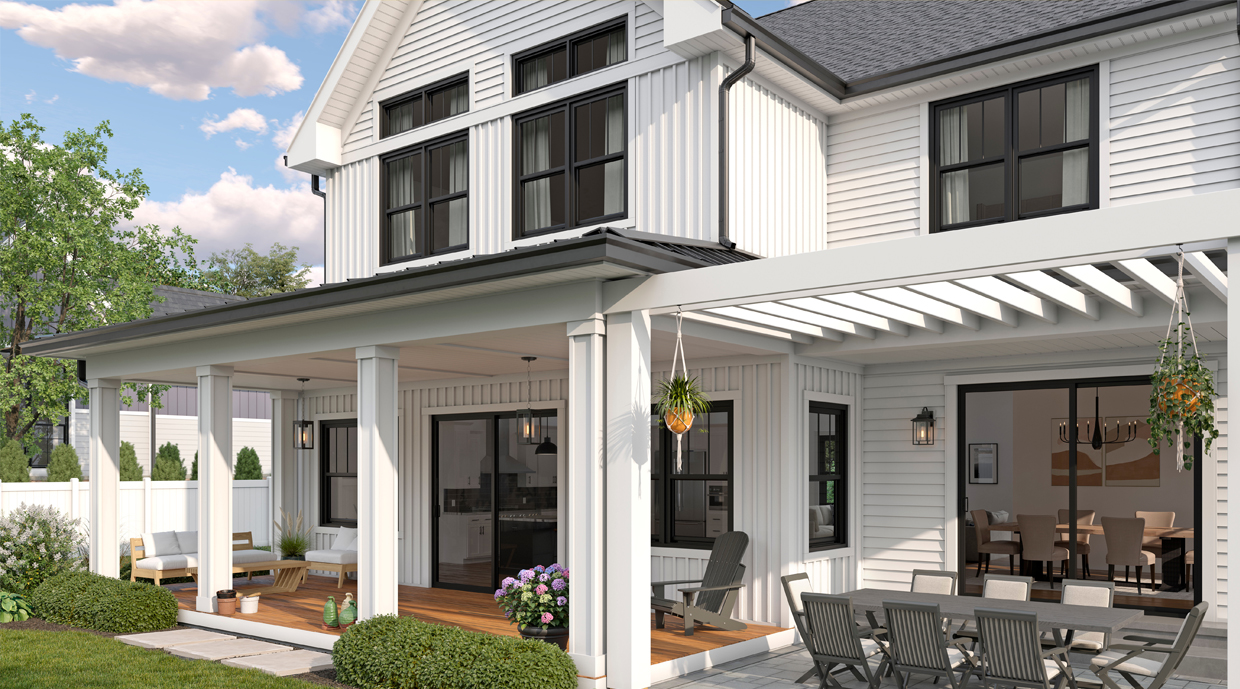
Educate homeowners about the risks of placing beds, couches, or other climbable items near windows. Emphasize the importance of arranging furniture safely and securely, keeping it away from windows where children and pets could climb and potentially fall.
Teach that window screens are intended to provide ventilation and pest control, and they are not designed to support the weight of a child or pet.
When planning exterior landscaping, consider using shrubs, grass, or mulch beneath windows to cushion potential falls and reduce the risk of injury in the event of an accidental fall.
Familiarize yourself with the safety features available for the windows you install. Recommend products with built-in ventilation latches and ASTM F2090-compliant window opening control devices (WOCDs), which limit window openings to four inches or less for safer ventilation and can easily be opened by an adult.
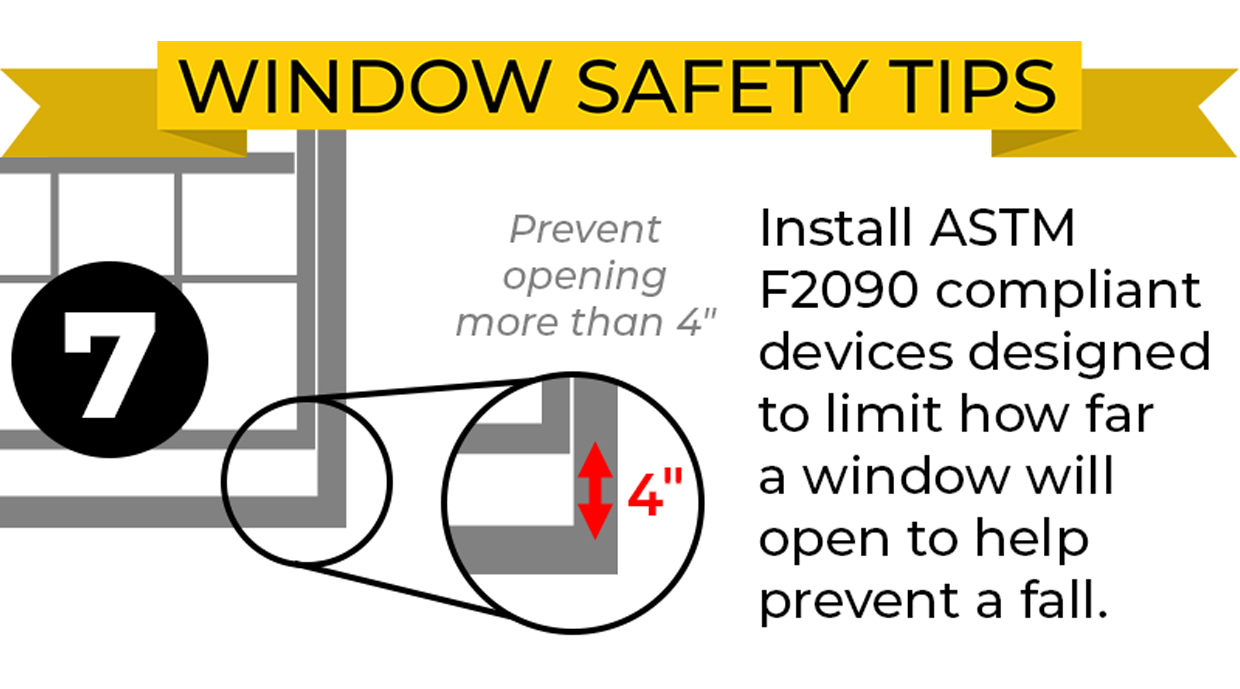
For upper-story windows, choose double hung windows that allow ventilation through the top sash while keeping the bottom sash closed, reducing the risk of falls for children and pets.
During design and installation, confirm that all bedrooms and living spaces have code-compliant egress windows. In an emergency, an egress window must be large enough for safe escape and must also accommodate a firefighter and their equipment.
The International Building Code requires at least one egress window in every bedroom. It must provide a clear opening of at least 5.7 square feet, be at least 20 inches wide and 24 inches high, and have its bottom no more than 44 inches above the floor.
Basement egress windows must have window wells with enough clearance for safe escape and emergency access. They must provide a clear opening at least 36 inches wide and 36 inches high and be fully operable. If a basement egress window is more than 44 inches above the floor, a permanent ladder or steps at least 12 inches wide will need to be incorporated.
Always check with the individual states and municipalities in your area for their specifications on egress windows.

Encourage homeowners to develop and practice emergency evacuation plans, including using windows and doors as safe exits. Educate homeowners on window and door operation and make sure they understand how to open egress windows and release the window opening control devices to easily escape in an emergency.
Learn more about Ply Gem windows and doors and explore the available window styles, safety features and egress sizing options.
#WindowSafetyWeek #Builders #Contractors #SafetyFirst #Egress #BuildingCodes #WindowSafety #FallPrevention #HomeSafety
Whether you’re a homeowner looking for a professional to help with installation or a pro interested in purchasing Ply Gem brands and product lines, we’ve got you covered.