Doors, Windows, Windows and Doors, Build Smart, Home Improvements & Remodeling

Heat gain and heat loss through windows and patio doors account for up to 25%–30% of residential energy use, making the selection of highly efficient windows and doors essential for your next project or new build. One of the many options to consider is the choice between dual-pane and triple-pane glass. We want to help educate you on the differences between these two glass options, enabling you to evaluate your project’s specific needs, including budget, climate requirements, building code requirements, and energy efficiency needs, and identify the best insulating glass package for your project.
What are the differences between dual-pane and triple-pane windows?
A dual-pane insulating glass unit consists of two panes of glass with a sealed air space that can be filled with argon gas. The glass surfaces can also incorporate one or two layers of Low-E glass. These windows and doors provide improved insulation compared to single-pane windows and effectively reduce heat loss in winter and retain cool air in the summer months, helping manage energy costs for homeowners.
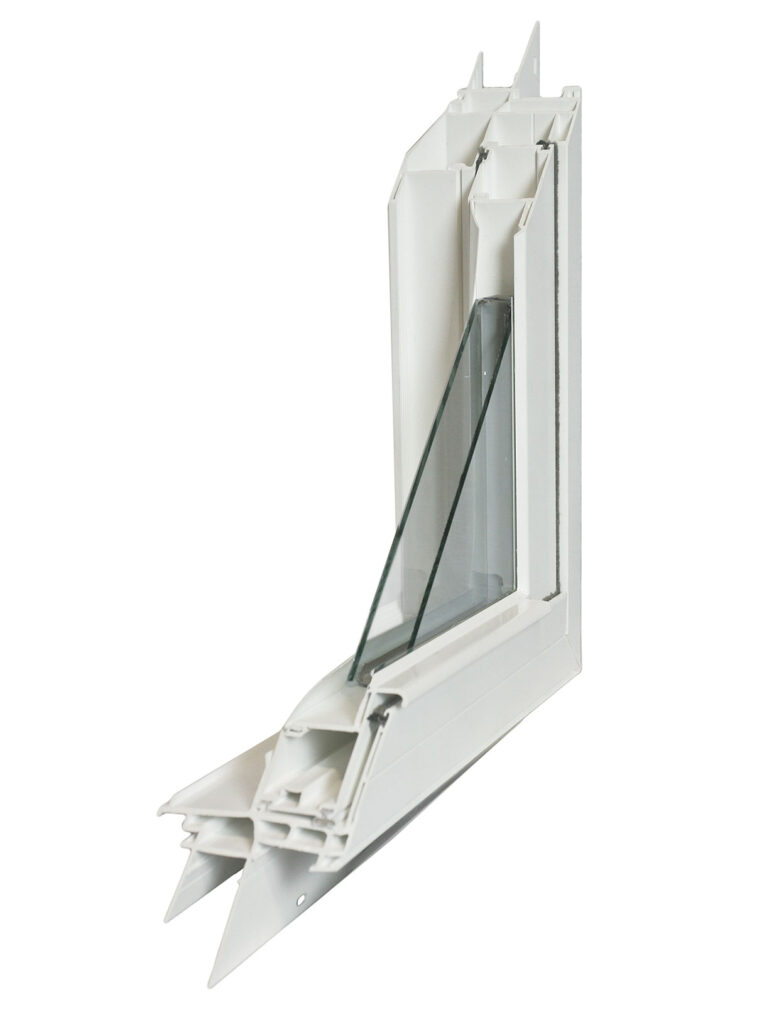
Triple-pane windows and doors incorporate a third pane of glass to the insulating glass unit, which creates two separate air spaces and an extra barrier for superior thermal insulation. Both air spaces can be filled with argon gas for additional thermal protection, while the multiple glass surfaces can also employ one or two layers of Low-E glass for increased solar control and insulation.
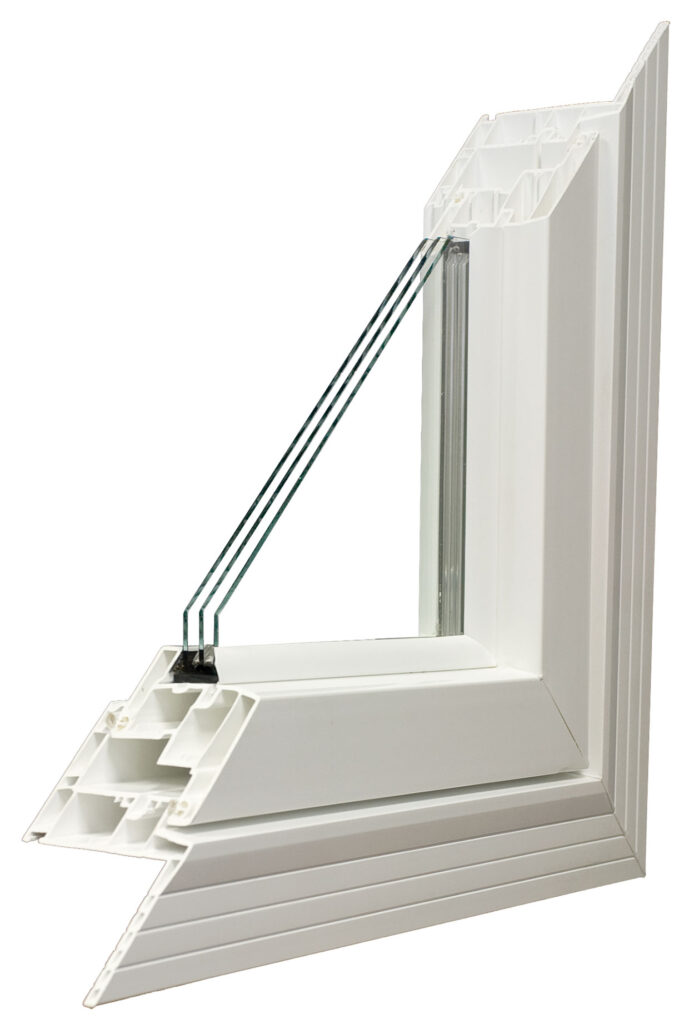
Both dual-pane and triple-pane windows and doors offer significant energy efficiency and protection benefits for a home. Recent studies have shown that triple-pane glass can improve a home’s window energy performance by up to 40% improving interior comfort and helping to reduce noise infiltration.
Below is a comparison between dual-pane and triple-pane windows:
| Benefits | Double-Pane Windows | Triple-Pane Windows |
| Energy Efficiency | Performs twice as well as single pane windows | Provides superior thermal insulation compared to dual-pane windows |
| Improved Comfort | Maintains interior comfort during every season and in most climate conditions | Excellent choice for colder northern climates |
| Condensation | Protection against condensation | Highly resistant to condensation |
| Noise Reduction | Offers excellent noise reduction compared to single-pane windows | Slightly better noise reduction over dual-pane windows |
| Durability | Quality, strong construction | Enhanced durability is achieved through the advanced design |
| Installation | Dual pane glass is lighter making the unit easier to install | Triple pane glass creates a heavier unit that may be more difficult to install |
| Budget | More cost effective and helps reduce heating and cooling costs | Higher initial costs that provide long-term energy savings and comfort |
When it comes to energy efficiency and interior comfort, triple-pane windows provide superior insulation performance. This feature is specifically beneficial for homes in colder Northern regions, but can also meet the demands of homeowners seeking advanced efficiency regardless of the climate in which they live. Dual-pane windows and patio doors offer essential energy performance for most climate zones.
Many Ply Gem triple-pane series windows and doors are designated as ENERGY STAR® 2025 Most Efficient. The Most Efficient distinction highlights top-performing ENERGY STAR-certified windows and doors that offer cutting-edge energy efficiency.
Dual-pane windows create a thermal barrier to help minimize the incidence of condensation. Offering advanced thermal properties, triple-pane glass has enhanced condensation resistance over dual-pane glass.
Dual-pane windows help significantly reduce noise infiltration in a home compared to single-pane windows. Triple-pane windows offer slightly better sound insulation than double-pane windows. The best sound reduction performance is achieved with windows and doors with acoustic offset glass and laminated glass.
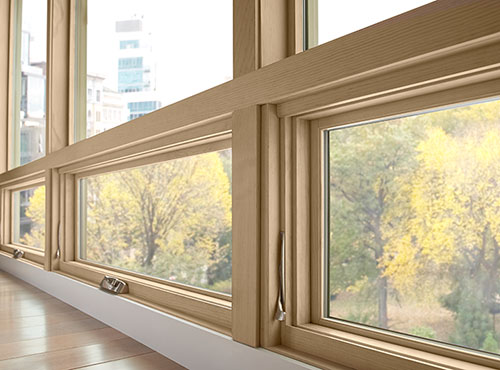
Another factor to consider when choosing between dual-pane and triple-pane glass is the weight of the window and door, and how this can affect installation. Heavier triple-pane windows may require additional structural support and framing to accommodate their increased weight.
When deciding between double-pane and triple-pane glass, the decision will depend on the requirements of your project, including budget and the energy performance you would want to achieve or that may be required by state and local building codes. Both dual-pane and triple-pane windows and doors improve a home’s energy performance and comfort, condensation resistance, noise reduction and durability. While triple-pane glass offers maximum performance, the initial cost is greater and may take years for homeowners to recoup.
Explore Ply Gem’s various window and door styles, with the advanced glass options to meet your project’s needs.
Whether you’re a homeowner looking for a professional to help with installation or a pro interested in purchasing Ply Gem brands and product lines, we’ve got you covered.