Windows, Pro Resources, Windows and Doors, Build Forward, Build Smart, Uncategorized
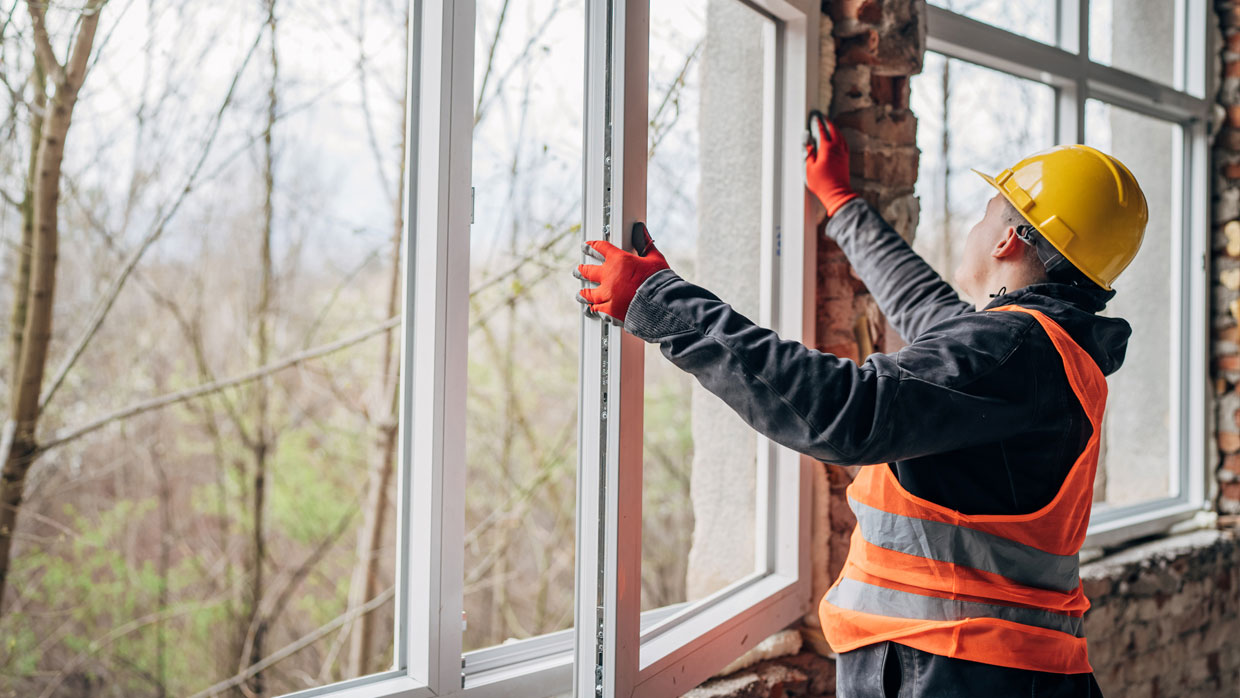
Professional builders and contractors understand the proper steps for installing windows and doors. From selecting quality products and materials to ensuring accurate measurements and correct flashing techniques, builders and contractors are always working to perfect their craft.
Completing an installation in fall and winter during cold weather presents its own set of challenges and requirements. Although windows and doors can be installed during colder months, specific precautions and procedures should be followed to ensure proper installation and effective performance against wind and rain infiltration.
Mark Waddell, Product Application and Training Manager for Windows & Doors at Cornerstone Building Brands, recently offered practical advice to help ensure successful window and door installations during cold weather.

1 – It is imperative that the installer do not install the windows or doors unless temperatures will remain above freezing for the next 24 hours. This will ensure the sealants do not freeze before curing, helping to prevent potential air and water leaks
2 – Don’t install windows on a wet or frozen/frosty surface, as the sealants will most likely not properly seal against those surfaces.
3 – Make sure all windows and doors are clean and dry prior to installation so all sealants and insulation have the best opportunity of performing as designed.
When performing repair and replacement work, the most frequently overlooked areas occur during pocket replacements. It is important to consider the following:
1 – Before installing the new window, carefully inspect the old original frame and thoroughly caulk or seal all joints. Pay special attention to the sill, particularly where the side jamb meets the sill and at the sill to sill stop.
2 – Remove any old balance weights and rope/chain pulleys from the balance pockets, if present. Drill a minimum of three 3/8” holes: start approximately 12” from the bottom, place one near the vertical center of the side jamb, and another approximately 2” from the top. Using insulating foam, begin at the bottom and fill the balance pocket cavities. Wait about 20-30 minutes for the foam to expand, then clean off any excess foam that escapes from the filling holes.
3 – Properly seal and insulate around the entire perimeter of the window to the original frame. (In the case of a sloped seal, you will only seal the area between the sill stop and new window) and be sure to tool the sealant to ensure no good adhesion.
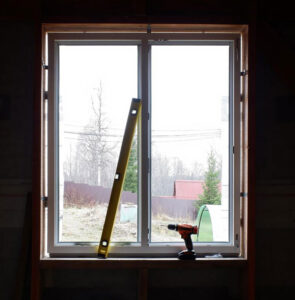
Building and construction projects don’t come to an end during colder months. With effective planning for weather conditions and implementation of best practices, you can complete successful window and door installations that enhance a home for years to come and keep your project on track.
Find more window and door installation resources by visiting the Professional Resources section on plygem.com.
Whether you’re a homeowner looking for a professional to help with installation or a pro interested in purchasing Ply Gem brands and product lines, we’ve got you covered.