Doors, Windows, Color Inspiration, Siding, Windows and Doors, Trim and Moulding, Shutters and Accessories, Design & Decor Ideas, Build Style, Home Improvements & Remodeling, Uncategorized

Exterior design in 2026 isn’t defined by a single bold look. Instead, homeowners are gravitating toward intentional color layering — whether that’s high-contrast two-tone palettes or softer, tonal neutral combinations that create depth without dramatic shifts.
With a full portfolio of siding, trim, stone veneer, accessories, and windows, Ply Gem makes it easier to design an exterior where every element works together — visually and structurally. Rather than selecting colors in isolation, homeowners are coordinating siding, trim, window sand architectural accents from the start to ensure long-term curb appeal and performance.
While high-contrast two-tone exteriors remain popular, many designers are leaning into layered neutrals and softer contrast in 2026. Think subtle transitions instead of stark black-and-white pairings.
A modern exterior might feature:
This approach creates dimension without overwhelming the architecture. With coordinated color collections across Ply Gem siding and trim systems, homeowners and pros can confidently build palettes that feel cohesive rather than pieced together.
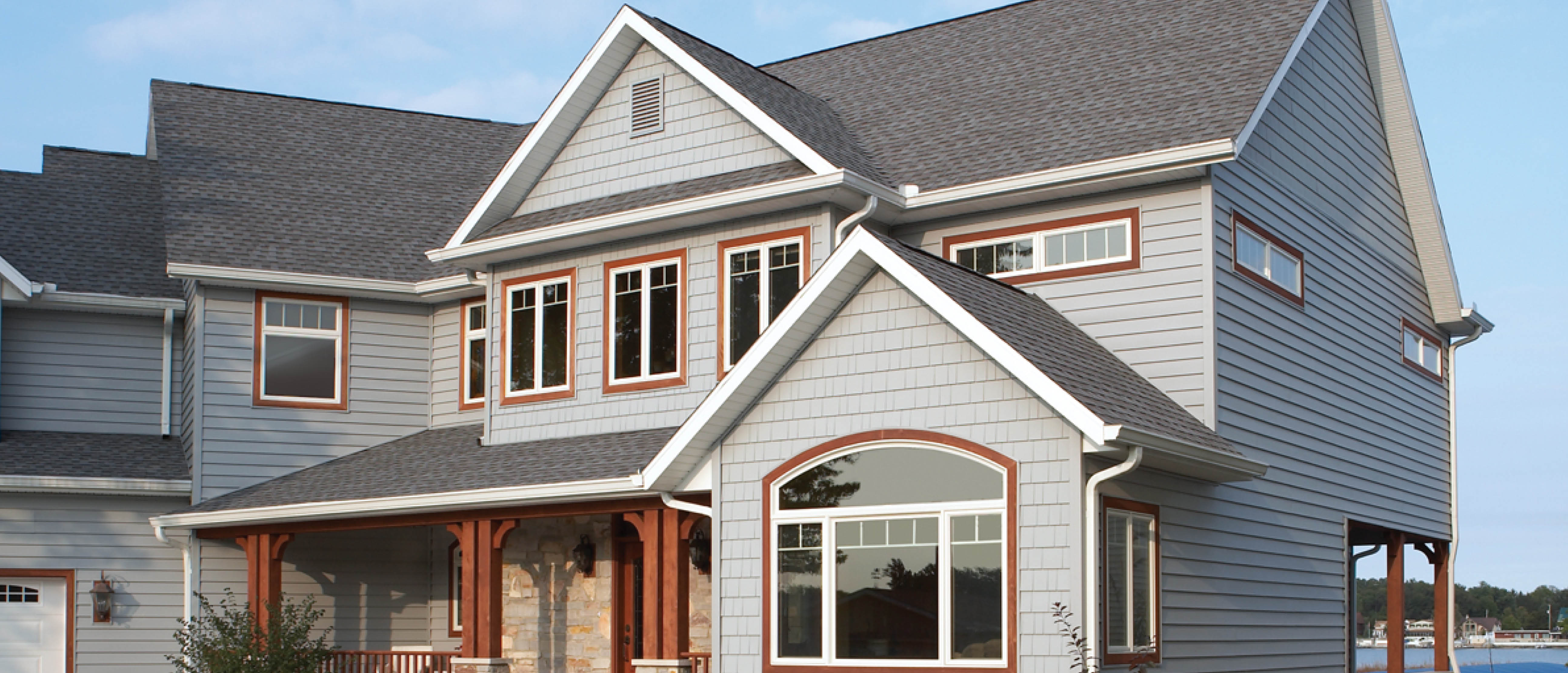
A two-tone exterior uses two distinct but coordinated colors on a home’s façade. Traditionally, this includes:
Sometimes the tones sit within the same color family (soft tonal layering), and other times they create bold contrast.
Quick guidelines for balance:
Two-tone remains effective, especially for modern farmhouse, transitional, and contemporary homes — but in 2026, it’s often about refined contrast, not dramatic contrast.
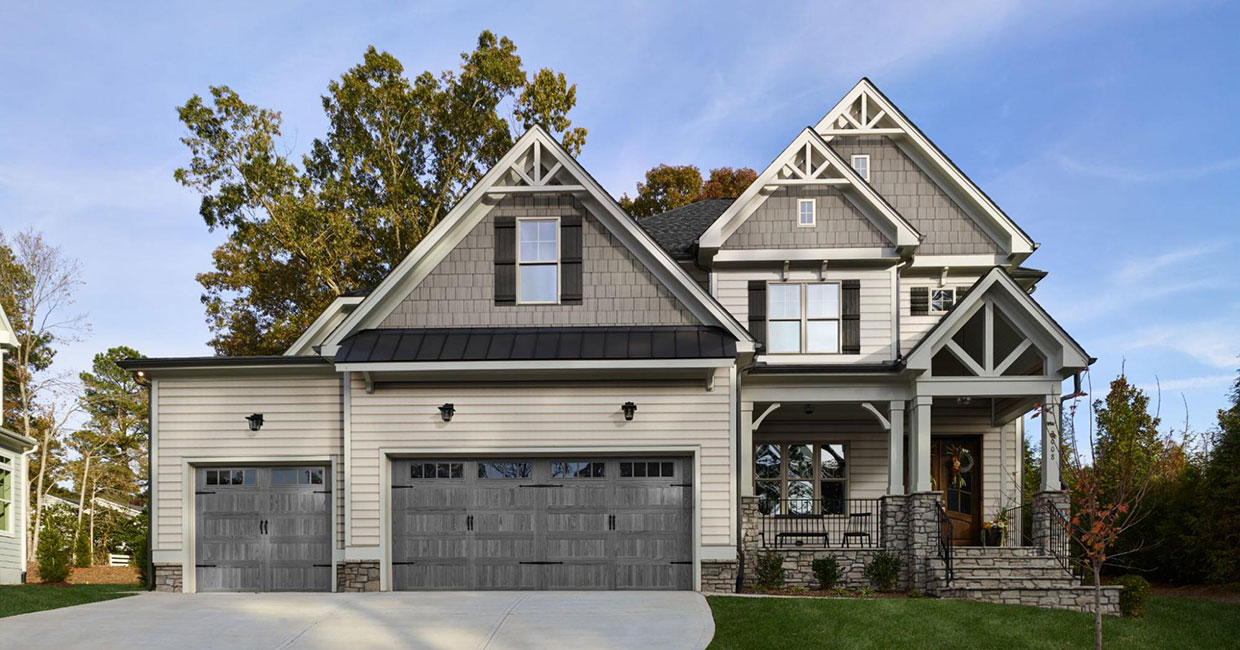
High-contrast combinations are still in demand, particularly when highlighting architectural lines.
Popular pairings include:
Dark window frames are frequently used to anchor lighter siding colors. Coordinating window finishes with trim and accent panels ensures contrast feels intentional rather than disconnected.
When selecting darker components, it’s important to consider fade resistance and heat absorption. Ply Gem engineered exterior products are designed to help maintain color integrity even in high-UV or temperature-extreme climates.
As sustainability designs continue to influence home exteriors, earth-inspired two-tone palettes are gaining momentum. Olive green with warm neutrals, clay or terracotta paired with soft sand and muted browns, and off-white trim are all gaining popularity.
These palettes are especially well-suited in homes that are rural, coastal or wooded. They blend seamlessly into natural surroundings and still offer a lot of contrast and depth.

Not all two-tone designs rely on having a bold contrast. Designers are also favoring layered neutrals that feel sophisticated and understated.
Examples include:
All of these combinations are ideal for homeowners who want to have visual interest without making dramatic color shifts. Many layered neutral palettes age well over time, and this makes them a strong choice for long-term curb appeal.
Another emerging approach is using bold accent colors sparingly against neutral backgrounds.
Examples of these include:
Instead of covering large surfaces, bold colors are to be reserved for the trim, entry features and gables. This allows the homeowners to experiment with color while keeping the overall design balanced.
Color will never exist in isolation. Material and texture will play a big role in how two-tone palettes are perceived.
For example, pairing horizontal siding in a light tone with vertical accents in a darker shade can visually alter a home’s proportions. Texture can also help to blend contrasting colors much more organically.
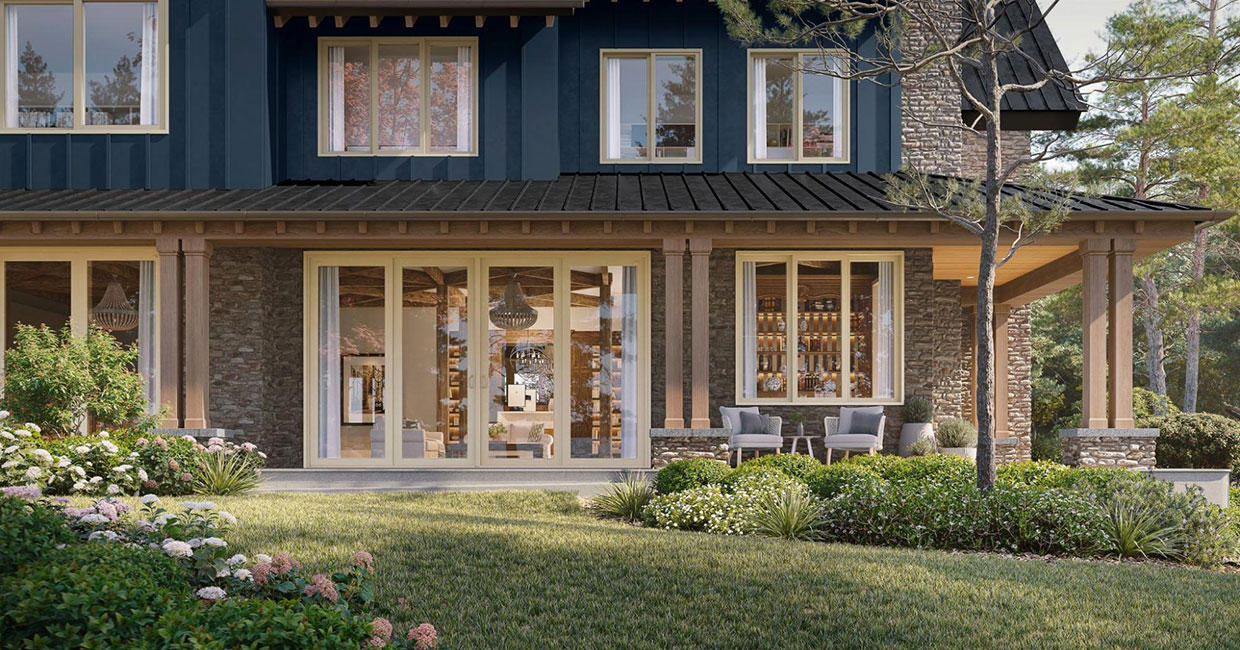
Windows are no longer an afterthought — they’re a key component of exterior color strategy.
Homeowners right now are increasingly selecting:
Dark frames remain popular, but many property owners are shifting toward softer dark tones rather than true jet black.
When paired thoughtfully with siding and trim, window finishes reinforce the second (or third) tone in a layered palette.
Color decisions extend beyond siding and windows.
When considering how to match your gutter color, It depends on the desired effect:
In tonal designs, homeowners often choose a shade within the same undertone family rather than an exact match. This keeps the palette cohesive while adding depth.
Homeowners will never need to do a full exterior overall in order to adapt to a two-tone look.
Common applications include:
These types of strategies allow for flexibility and customization, and homeowners will not have to commit to overly complex designs.
When selecting gutters, soffit, and fascia, homeowners often choose to match trim to create a seamless appearance. Matching siding can minimize contrast, while selecting a shade slightly darker than the main siding color can help frame the home intentionally.

Design research consistently shows that controlled contrast improves perceived quality, but excessive contrast can feel trendy rather than timeless.
The 2026 shift is about:
By integrating siding, trim, stone, windows, and accessory components into one unified design strategy, homeowners reduce risk and increase confidence in their exterior investment.
What are the most popular two-tone color combinations?
How do siding material and texture influence two-tone designs?
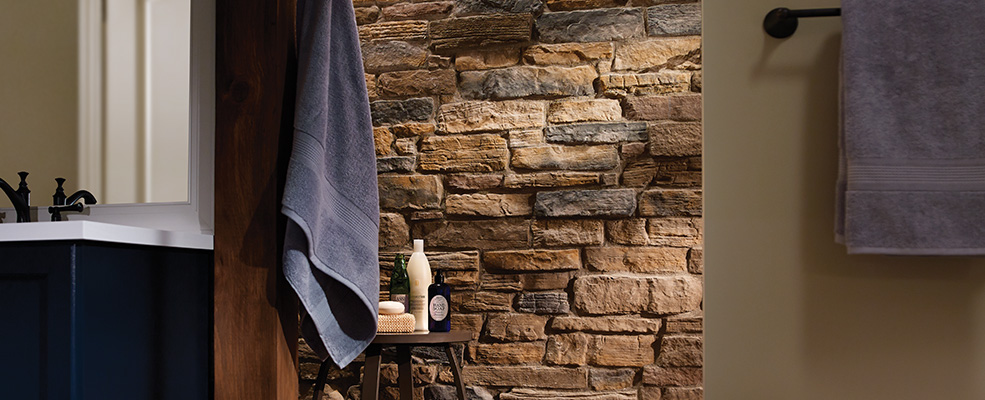
Smooth siding emphasizes color contrast, while textured or wood-look siding softens transitions. Stone or masonry naturally adds secondary tones and enhances dimensionality.
What are common ways to apply two-tone exteriors?
Why is contrast important for two-tone designs?
Contrast improves visual clarity, highlights architectural details, and increases perceived quality, all of which enhance curb appeal and modernize the home’s exterior.
How can homeowners ensure their two-tone design lasts over time?
Choose fade-resistant, high-performance materials with strong UV and weather resistance. Coordinated product lines from manufacturers like Ply Gem Brands and Solutions make consistent, long-lasting two-tone designs easier to achieve.
Are two-tone exteriors a short-lived trend or a long-term design choice?
Two-tone exteriors offer versatility, timeless appeal, and personalization. When applied thoughtfully, they enhance curb appeal and can increase attractiveness to buyers, making them a sustainable design choice beyond 2026 trends.
Adapting a two-tone exterior color trend for 2026 will reflect a desire for your home to feel both timeless and personal. Whether it’s through having bold contrasts, nature-inspired colors, or layered neutrals, two-tone designs offer a lot of versatility when it comes to enhancing your curb appeal or your architectural character.
By thinking about texture, color, and context together, homeowners, as well as designers, can create exteriors that feel enduring, modern, and intentional at the same time.
With so many options to choose from, homeowners can be authentic to their own design, operations, and style. They offer a practical way of enhancing their curb appeal and even making their homes more attractive to buyers if they should choose to sell.
Browse our full portfolio of products and find a Ply Gem supplier near you!
Whether you’re a homeowner looking for a professional to help with installation or a pro interested in purchasing Ply Gem brands and product lines, we’ve got you covered.