Design & Decor Ideas, Build Forward, Build Smart

The classic look of wood planks remains a timeless, all-American exterior look, at home on everything from saltbox homes to craftsman bungalows, midcentury ranches to modern farmhouses.
Since colonial times, wooden plank siding (also known as clapboard or lap siding) has been a popular choice for American homes. The classic look of wood planks remains a timeless, all-American exterior look, at home on everything from saltbox homes to craftsman bungalows, midcentury ranches to modern farmhouses. A few key elements that characterize the style are considered must-haves for a classic wood plank look:
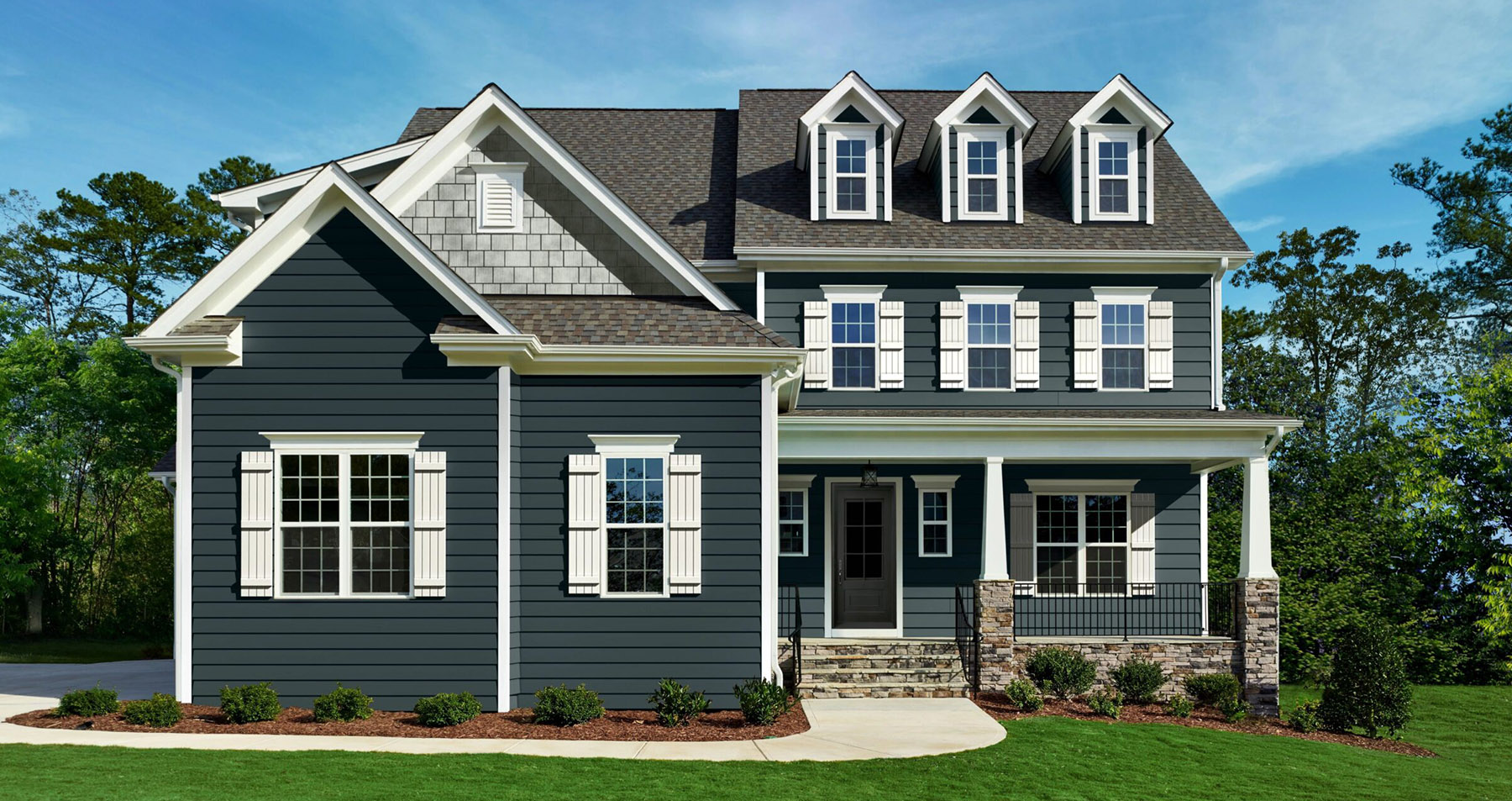
There are four common ways to achieve this aesthetic with different siding materials, each of which has its own unique advantages and disadvantages.
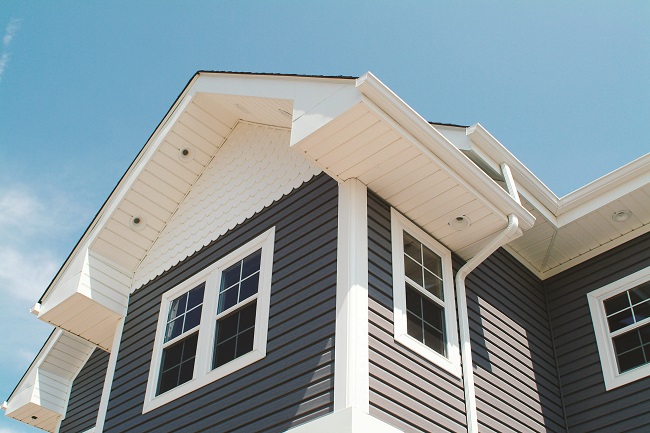
Vinyl siding offers the look of painted wood with less maintenance than many traditional cladding materials. Available in a wide range of profiles, textures and colors, it can complement a variety of architectural styles while resisting moisture, insects and rot. Unlike wood siding, it never needs painting, making it an attractive option for homeowners looking to minimize upkeep.
Vinyl siding is also lightweight, making it easier and more efficient to install than some alternative materials. While product features vary by manufacturer, today’s premium vinyl siding options are engineered for long-lasting performance and lasting curb appeal.
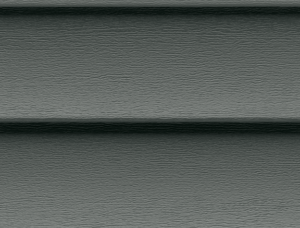
The original solution is natural hardwood. It is undoubtedly beautiful, as well as natural and biodegradable. Cedar may have a higher resistance than other wood species, but it is still susceptible to damage from woodpeckers and insects like termites and carpenter ants. It is also subject to warping and rotting.
Most significantly, natural cedar requires regular maintenance for the life of the product—repainting or re-staining every three to five years. This maintenance increases the lifetime costs of what is already one of the more expensive siding options available.
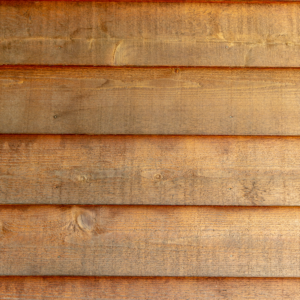
Also known as manufactured wood siding, synthetic wood siding or composite wood siding, engineered wood siding is made of wood fibers bound together with a resin material and strengthened through a pressurized heating process. Coatings are applied to help it resist moisture.
Engineered wood does cost less than natural wood siding, but requires fairly intensive maintenance—caulking, repairs and repainting every seven to ten years. Failing to maintain engineered wood is more than an aesthetic issue. If not adequately sealed, it becomes susceptible to moisture absorption, which can lead to mold and decay.

Modern cement siding dates back to the 1980’s, when a new process was developed to fabricate it without asbestos. Fiber cement is composed of a mix of cement, silica and natural cellulose fibers which is pressed into a mold to form planks. It can either be painted by the manufacturer or delivered primed and painted on site. Fiber cement siding is durable and resists rotting, woodpecker and insect damage.
However, because it contains silica, fiber cement siding can generate significant dust. The particles of airborne silica released dust during installation can be dangerous, requiring installation crews to use special equipment to keep them safe. In addition, it requires more jobsite clean-up, preventing installers from moving on to the next job. This costs the remodeler time and money. It is also heavier than comparable materials. These two things make fiber cement more costly and labor-intensive to install. And while a painted finish lasts longer than on natural or engineered wood, fiber cement will still require repainting after a number of years.

*Source: Based on analysis using Building for Environmental and Economic Sustainability (BEES®) Online software, as cited on the PEPA website.
Whether you’re a homeowner looking for a professional to help with installation or a pro interested in purchasing Ply Gem brands and product lines, we’ve got you covered.