Doors, Windows, Windows and Doors, Build Smart
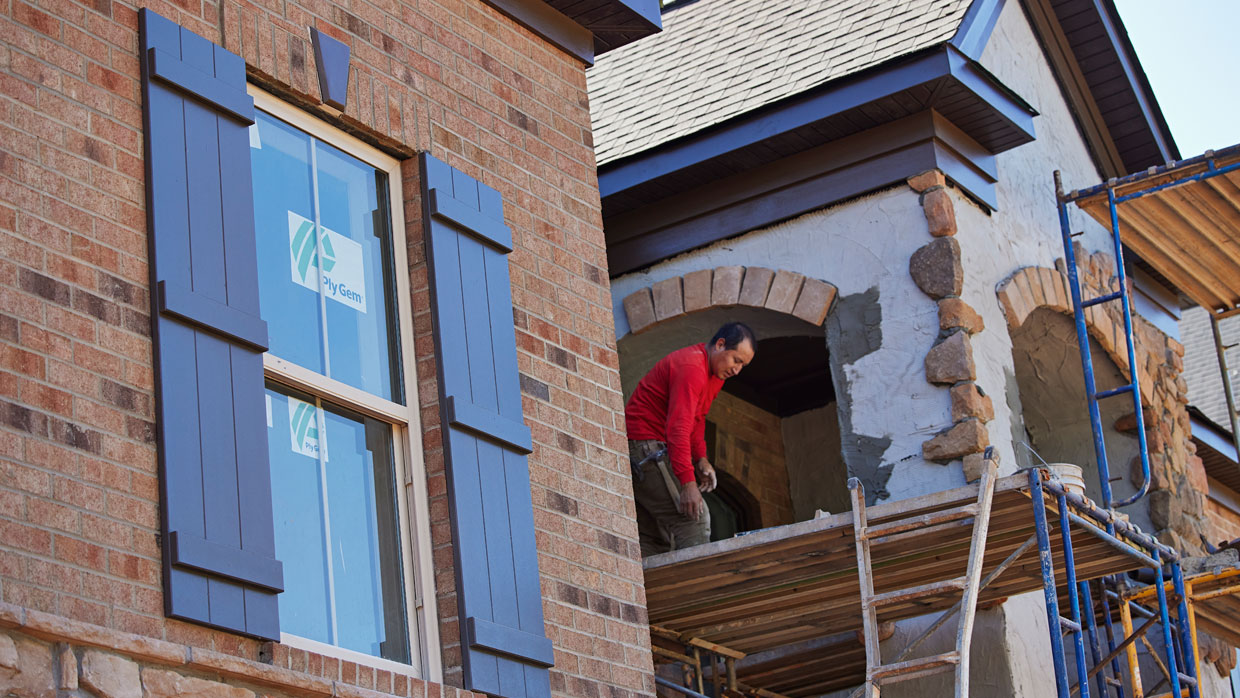
When installing windows and doors, sealing gaps correctly makes all the difference in comfort, efficiency and long-term durability. Pros use two popular methods, low-expansion foam and backer rod with sealant, each with specific applications and uses. Knowing where and why to choose one over the other is key to quality window and door installs. In this post, we’ll walk through the pros, cons, and best practices for both so you can get airtight, worry-free results every time.
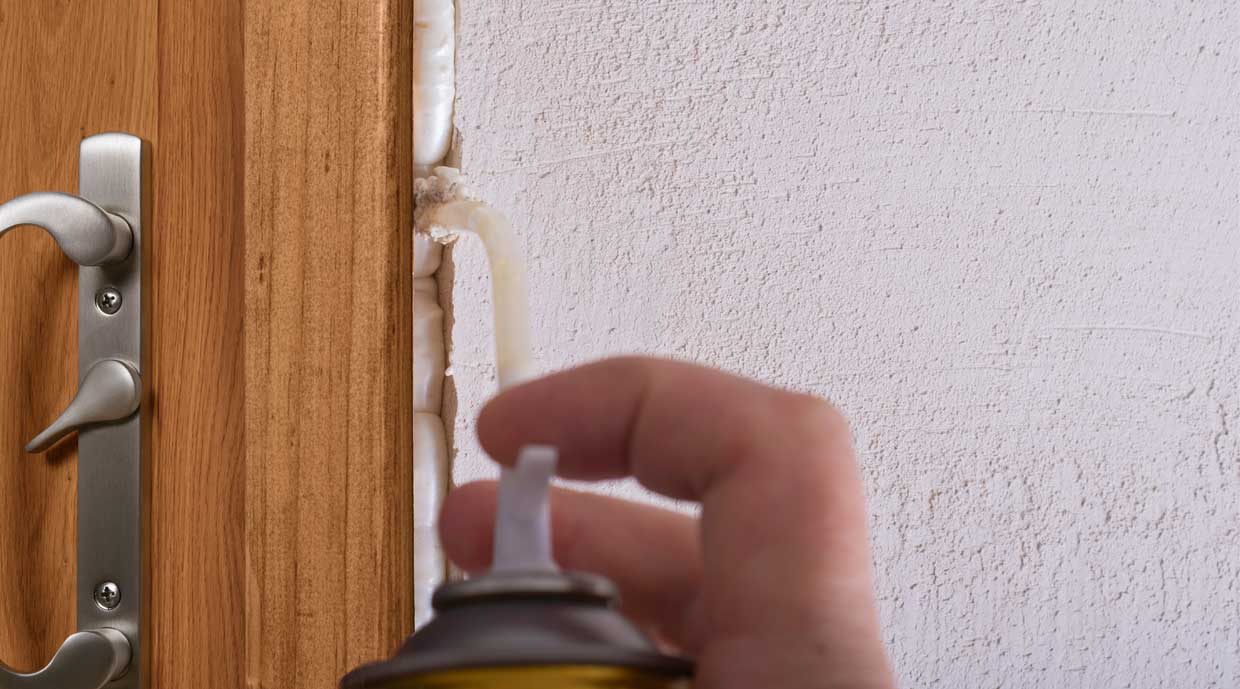
Low-expansion polyurethane foam is commonly used to insulate the space between a window or door frame and the rough opening. Pros prefer this polyurethane product because it expands gradually as it cures and, when applied correctly, is less likely to bow frames or jambs. It’s fast, effective, adds insulation value and helps block air and moisture infiltration, making it ideal for most residential window and door installations.
Backer rod is a flexible foam rope, typically made of polyethylene or polyurethane. When properly sized for each application, it is used to fill deep or wide gaps before you apply sealant. When properly installed with light compression in window and door installations, it’s pressed into perimeter joints to control the sealant bead’s depth and shape. Rather than simply filling an empty space, the backer rod controls the sealant joint dimensions, ensuring the sealant (often silicone or polyurethane) bridges the gap properly, stays flexible and forms a weathertight seal. This approach is ideal for larger joints, commercial projects or instances where movement and long-term flexibility are critical. It’s fundamentally different from using foam, which is designed to insulate the cavity surrounding the window or door frame.
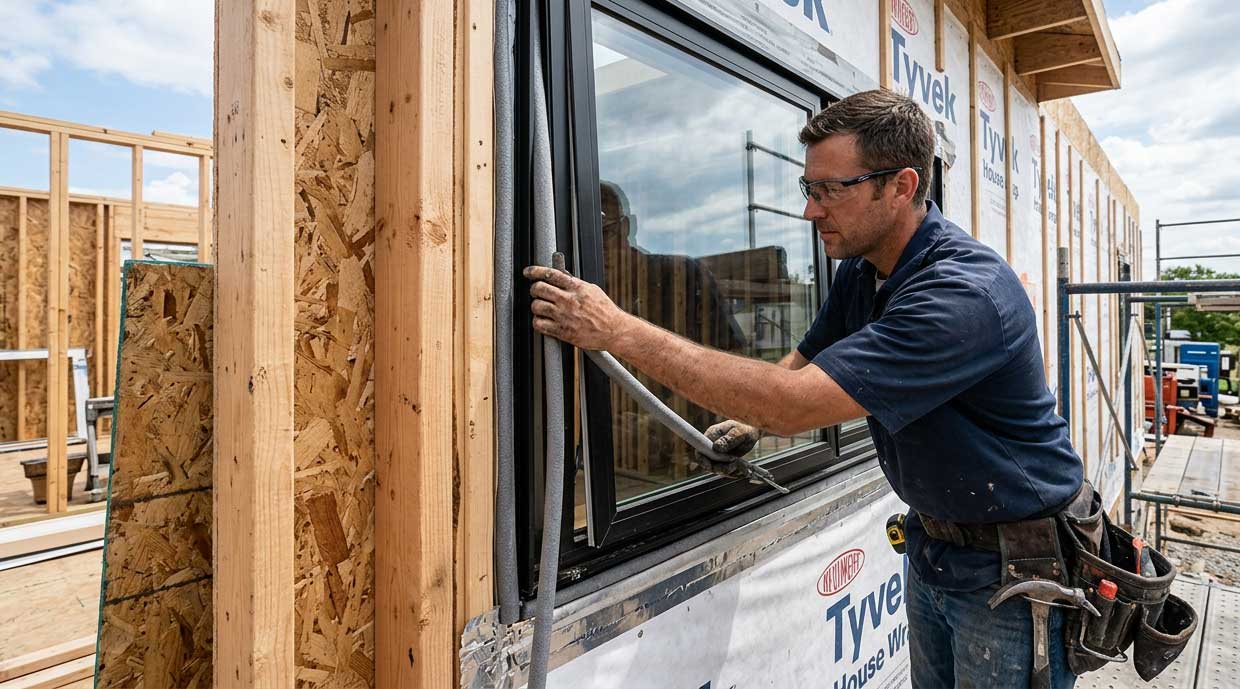
To understand “foam versus backer rod,” consider the purpose of each material. Installers may use both for different jobs, so they aren’t necessarily competing installation methods.
Experience shows that both methods are needed: low-expansion foam to insulate and seal irregular gaps, and backer rod with sealant for expansion joints, wide cracks, areas that need flexibility and long-term moisture resistance that some low-expanding foams do not provide. The choice depends on project requirements, building codes, and long-term performance — not just speed or cost. Many also consider the local climate, substrate materials, and whether the finish needs to be paintable or color matched.
For insulation, AAMA 2400-21 permits low-pressure aerosol foam tested to AAMA 812 between the window frame and rough opening. At the exterior perimeter, it recommends a minimum 1/4-inch joint for sealant, with a backer rod about one-third larger than the joint, followed by sealant applied per the manufacturer’s recommendations and properly tooled to ensure proper adhesion to the opening and window/door.
The question isn’t always “foam or backer rod?” It’s “what does this joint need to do, and which material belongs where?” Always consider what this joint needs to do and which material belongs here. This makes material selection part of an overall installation strategy.
Low-expansion foam works with most construction materials, but use caution on sensitive surfaces. Backer rod and sealants are versatile and work with concrete, masonry, metal, wood and more.
Low-expansion foam offers excellent insulation and air sealing, but can be susceptible to UV damage and should be protected when used outdoors. It is less flexible and may crack with excessive movement. Backer rod and sealant systems excel where joint movement, moisture or thermal cycling are concerns. Quality sealants remain flexible and weather-resistant for years, making this method ideal for expansion and control joints.
Low-expansion foam is generally quick and cost-effective for small or irregular gaps. Backer rod and sealant require more labor and materials, but they pay off in long-term durability when joint movement is a concern. On some projects, low-expansion foam and backer rod, along with the right sealants, are used together. Using both during installation may be the best course of action when properly installing windows & doors. For large jobs or high-performance applications, planning ahead saves callbacks and costly repairs.

Low-expansion foam and backer rod with sealant both have their place in a pro’s toolkit and shouldn’t be seen as either-or options. Foam is fast and effective for insulating between the window frame and rough opening, while a properly sized backer rod helps form the ideal sealant joint at the perimeter. The right approach depends on the joint’s location, wall assembly, product requirements and building codes. By understanding when and why to use each method, you’ll achieve better results, more durable installs and fewer problems during the build.
Installing Ply Gem windows or doors? Always refer to the product manufacturer’s specific installation instructions and applicable building requirements before beginning installation. Explore additional Ply Gem window and door installation resources in the For Pros section on plygem.com.
Whether you’re a homeowner looking for a professional to help with installation or a pro interested in purchasing Ply Gem brands and product lines, we’ve got you covered.